Bowrider Boats for Arizona: Buyer's Guide
Bowriders are the Swiss Army knife of Arizona lakes. Open bow seating, room for six to eight people, good for skiing and tubing, and easier to own than a dedicated wake boat or offshore cruiser. If you want one boat that does most things well without a massive price tag, a bowrider makes sense.
What makes a bowrider a bowrider
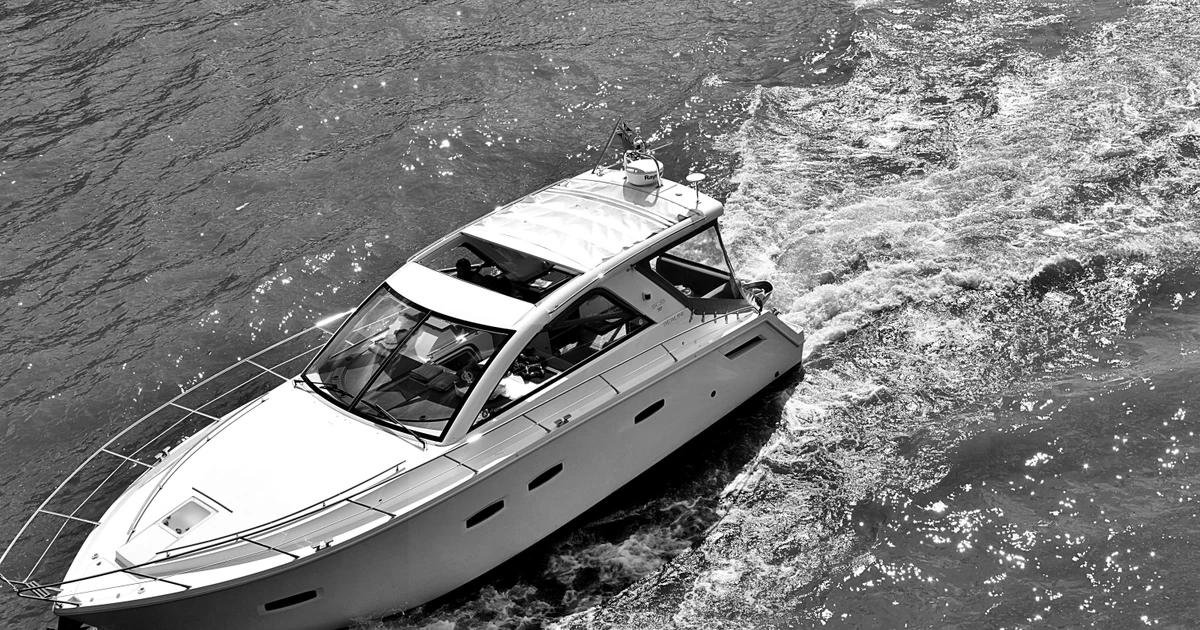
The defining feature is the open bow with seating in front of the windshield. Most have a center walk-through from the cockpit to the bow. You get extra seating, a place to sit while anchored, and easier access to the front cleat when docking.
Bowriders range from 17 to 24 feet. Smaller ones (17 to 19 feet) are good for lakes like Bartlett and Saguaro where ramps can be tight. Larger ones (21 to 24 feet) handle chop better at Lake Pleasant and Havasu.
Most Arizona bowriders are stern-drive (I/O) or outboard. Outboards are more common now because they're easier to service, lighter, and don't require winterizing in the same way. Stern-drives still dominate the used market, especially older boats.
Popular bowrider brands in Arizona
The usual suspects at Arizona lakes are Bayliner, Sea Ray, Chaparral, Four Winns, Cobalt, and Tahoe. Bayliner and Tahoe are entry-level: affordable, simple, built for budget buyers. Sea Ray and Chaparral are mid-range with better fit and finish. Cobalt and Regal are higher-end with luxury touches and stronger resale.
Yamaha makes good bowriders with their jet-drive models (no prop), which are popular for families with young kids. MasterCraft, Malibu, and Nautique make bowriders but they're positioned more as crossover tow boats.
What to look for when buying used in Arizona
Arizona sun destroys vinyl and gelcoat. Check the upholstery for cracking, fading, and brittleness. Look at the non-skid deck surfaces for delamination or soft spots. Run your hand along the gelcoat for spider cracks, especially around cleats, through-hulls, and the transom.
Check the engine compartment for corrosion, especially on stern-drive boats. Arizona heat accelerates corrosion in closed engine bays. Pull the engine cover and look for rust on brackets, bolts, and manifolds. If the boat spent time at a saltwater lake like Havasu or on the Colorado River, expect more corrosion.
Test the gauges, blower, bilge pump, nav lights, and stereo. Check the trailer lights, bearings, and tires. Arizona heat kills trailer tires fast. If the tires are cracked or older than five years, budget for replacement.
Run a compression test on the engine if hours are high or maintenance history is unclear. For stern-drives, check the bellows (rubber boots) around the drive for cracks. Bellows failure sinks boats.
Stern-drive vs outboard
Outboards are simpler. No bellows, no gimbal bearings, no alignment issues. Maintenance is easier and parts are cheaper. Most new bowriders are switching to outboards, especially in the 19 to 21 foot range.
Stern-drives sit lower in the hull and offer more interior space. They also handle better at speed because the drive unit is partially submerged. But they cost more to maintain. Bellows, shift cables, and gimbal bearings are routine wear items. Budget $1,500 to $3,000 for a stern-drive service every few years.
If you're buying used, outboards are safer unless the stern-drive has documented service history.
Size recommendations for Arizona lakes
Lake Pleasant
21 to 24 feet. Pleasant gets choppy in the afternoon. Bigger boats handle wind better and offer more comfortable seating. You'll also want the extra fuel capacity for long days on the water.
Bartlett and Saguaro
19 to 22 feet. These lakes are smaller and more protected. You don't need a massive boat, and ramps can be tight when water levels drop. A mid-size bowrider is the sweet spot.
Roosevelt and Apache
19 to 23 feet. Water levels fluctuate a lot, so you want something that can handle rough ramps and rocky shorelines without drama. Aluminum trailers with good clearance help.
Lake Havasu and the Colorado River
21 to 25 feet. Open water, more wind, longer runs between stops. Bigger is better. If you're trailering from Phoenix, make sure your tow vehicle can handle the load.
Typical pricing in Arizona (2026)
Bowrider prices vary by year, brand, size, and condition. Here's what the used market looks like:
- 2000-2010 Bayliner or Tahoe, 19 to 21 feet: $8,000 to $18,000. Good starter boats if the engine and trailer check out.
- 2010-2015 Sea Ray or Chaparral, 21 to 23 feet: $25,000 to $45,000. These hold value well and offer better quality than entry-level brands.
- 2015-2020 mid-range bowrider, 21 to 24 feet: $40,000 to $70,000. Modern features, lower hours, often still under extended warranty.
- 2020+ newer bowrider: $60,000 to $100,000+. Lightly used or demo boats with current model-year features.
Expect higher prices in spring (March to May) when demand peaks. Fall and winter are better for deals, especially September through November.
Fuel economy and operating costs
Bowriders are thirsty. A 21-foot boat with a V8 stern-drive or 200+ HP outboard burns 8 to 12 gallons per hour at cruising speed. Budget $100 to $200 per outing depending on fuel prices and how hard you run.
Annual maintenance runs $1,000 to $2,500 for oil changes, impeller replacement, tune-ups, and trailer service. Add more if you need upholstery repairs, gelcoat work, or engine parts.
Insurance for a $30,000 bowrider with full coverage runs $800 to $1,500 per year depending on agreed value, liability limits, and your claims history.
Arizona registration and storage
Arizona requires registration for all motorized boats. The fee depends on length. A 21-foot bowrider costs around $60 to $90 per year. You'll also need a title transfer when buying used. Budget $15 for the title fee plus notary costs if the seller hasn't pre-signed.
Covered storage is worth it if you can afford it. Uncovered boats at Arizona lakes suffer serious UV damage within a few years. Expect $100 to $300 per month for covered storage depending on location. Indoor climate-controlled storage runs $300 to $500 per month but keeps your boat in better shape long-term.
Common bowrider problems to avoid
Soft spots in the floor mean water intrusion and possible structural rot. Walk the entire deck and press hard with your foot. Any give or sponginess is a red flag. Fixing a rotted floor is expensive.
Transom cracks or movement mean the transom core is compromised. Bounce the stern up and down. If you see cracks open and close, or if the outdrive/outboard shifts, walk away. Transom replacement costs thousands.
Missing maintenance records on stern-drives are risky. Bellows and gimbal bearings fail without warning if they haven't been serviced. If the seller can't show service receipts, assume you'll need a full stern-drive service within a year.
Best time to buy
September through November. Demand drops after summer, inventory climbs as people list before winter, and sellers are motivated. You'll have better negotiating leverage and more options.
Avoid buying in March and April unless you find a deal you can't pass up. Prices spike before summer lake season and inventory moves fast.
Where to find bowriders for sale in Arizona
Check Boats For Sale Phoenix for local inventory from private sellers and dealers. You'll also find bowriders on Facebook Marketplace, Craigslist, and at dealerships like Superstition Marine, Pleasant Harbor, and Desert Marine.
Inspect before you buy. Bring a friend who knows boats, or hire a marine surveyor if the price is over $20,000. A $300 survey can save you from a $10,000 mistake.
Is a bowrider right for you?
If you want a versatile boat for family days at the lake, occasional skiing or tubing, and general cruising without specialized performance demands, a bowrider fits. They're not wake boats, not fishing boats, not offshore boats. They're good at being good enough for most things.
If you only fish, get a fishing boat. If you only surf, get a wake boat. If you need a bit of everything and don't want three boats, a bowrider is the answer.
Arizona lakes are full of bowriders for a reason. They work.